FREC 3 Training for Close Protection | KSS & NR Medical
Emergency Care Preparedness – FREC 3 in Modern Close Protection
A Collaboration Between Security and Clinical Specialists
Within the close protection industry, operational standards have continued to evolve. Clients increasingly expect security professionals to manage not only protective duties but also emergency situations that may arise during an assignment. Medical preparedness, including the ability to respond to both medical and traumatic emergencies, is therefore becoming an important component of modern close protection work.
King Safety and Security is a London-based private risk management consultancy specialising in close protection and protective services for corporate clients, high-net-worth individuals and organisations operating in complex environments. Over time, the company has developed a strong reputation within the security industry for professionalism, discretion and operational capability.
NR Medical Training approaches the subject from the clinical side within the partnership. The organisation is led by experienced Paramedics and emergency medical professionals who specialise in pre-hospital emergency care education. Many of the instructors also bring operational backgrounds from policing, military service, maritime security and close protection environments.
This collaboration brings together two complementary perspectives: the operational understanding of protective security provided by KSS and the clinician-led emergency care education delivered by NR Medical Training. The goal is simple. Emergency care training for security professionals should be both clinically accurate and relevant to the environments in which close protection operators actually work.
As part of this partnership, regular level 3 First Response Emergency Care (FREC 3) training will be delivered at the KSS training centre in Chelmsford, Essex. These courses include training scenarios that will reflect the operational realities faced by professionals working in protective roles.
Why Medical Training Matters in Modern Close Protection
Close protection work often involves operating in environments where emergency medical services may not be immediately available. Even in urban settings, a close protection operator may be the first person available to respond when a medical emergency or traumatic injury occurs.
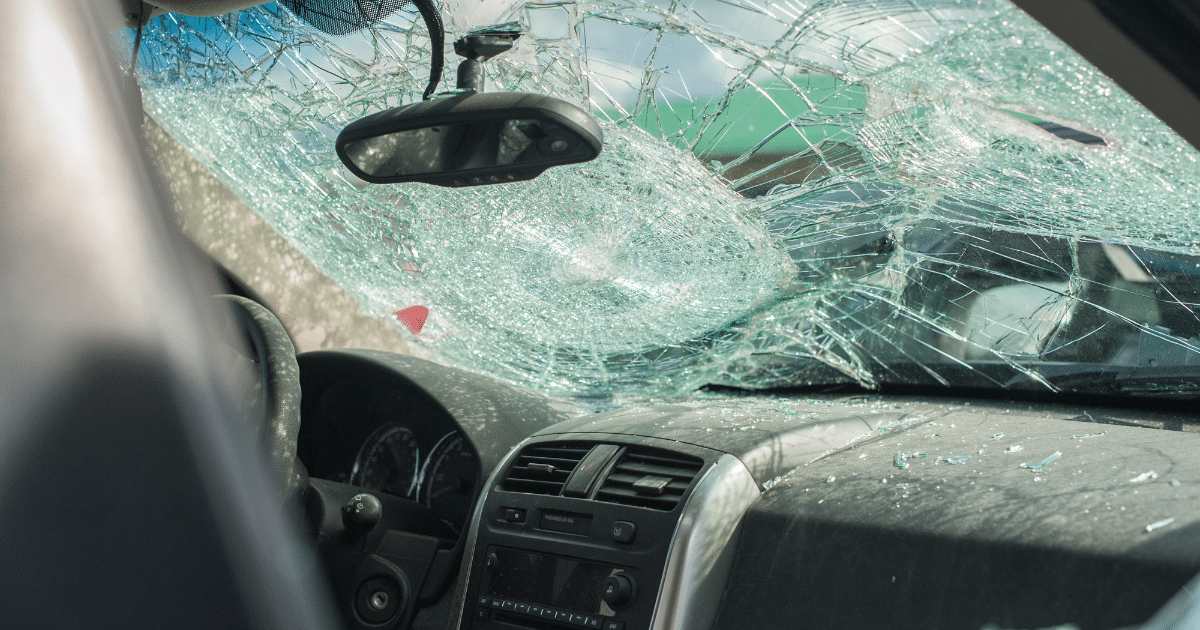
Situations may include traumatic injury following an accident, sudden cardiac arrest, anaphylaxis, or other acute medical conditions. In these moments the ability to recognise a life-threatening problem and take immediate action can make a significant difference to the outcome for the casualty.
For many years the security sector relied largely on basic first aid training. While first aid knowledge remains valuable, the complexity of modern protective work has led to increased interest in structured pre-hospital care qualifications that provide a deeper level of training.
Understanding the FREC Pathway
The First Response Emergency Care qualification framework has become widely recognised within the security industry. It provides a structured pathway for individuals who may need to manage medical emergencies before the arrival of ambulance services.
FREC 3 is typically the entry point for security professionals. The course provides the knowledge and practical skills required to assess and manage medical and traumatic emergencies in a pre-hospital environment. Training includes patient assessment, management of life-threatening bleeding, airway support, oxygen therapy and the recognition of serious medical conditions.
For close protection operators FREC 3 provides a solid clinical foundation. It allows them to stabilise casualties and provide immediate care while awaiting further medical assistance.
FREC 3 Requalification is equally important. Clinical skills can fade if they are not refreshed regularly. Requalification courses ensure that practitioners maintain competent and remain confident when responding to emergencies in operational settings.
For those who wish to progress further, FREC 4 builds upon the knowledge gained at FREC 3 and introduces more advanced clinical skills and decision making. FREC 4 is often undertaken by professionals working in higher-risk environments or by those seeking to develop a deeper understanding of pre-hospital care.
Training That Reflects Operational Reality
One of the challenges in emergency care education is ensuring that training reflects the environments in which skills will actually be used.
In the context of close protection work this means considering factors such as confined spaces, vehicle-based operations, crowded public areas and dynamic security situations. A medical emergency during a protective operation may involve additional considerations such as maintaining situational awareness and managing multiple priorities at the same time.
By combining the operational experience of KSS with the clinical expertise of NR Medical Training, the training delivered through this partnership is designed to address these realities. Scenarios are structured to reflect genuine operational pressures rather than purely classroom-based situations.
This approach helps ensure that learners develop practical confidence as well as theoretical knowledge.
Supporting Professional Standards in the Security Industry
The security sector continues to professionalise. Clients increasingly expect individuals working in protective roles to demonstrate competence across a range of disciplines, including emergency medical response.
Structured training frameworks such as the FREC pathway support this development by providing recognised qualifications and a clear progression route for those who wish to develop their skills further.
For close protection operators, maintaining clinical competence is not simply about obtaining a certificate. It is about ensuring that when a critical moment occurs, the individual responsible for protecting a client is prepared to respond effectively.
The collaboration between King Safety and Security and NR Medical Training reflects a shared commitment to raising standards within the industry by ensuring that emergency care training for security professionals is delivered by clinicians while remaining grounded in operational reality.
Author: Rachel Holden
Paramedic and Director, NR Medical Training
Rachel Holden is a UK registered paramedic and Director at NR Medical Training. She leads the development and delivery of pre-hospital emergency care education for professionals working in high-responsibility environments, including the security sector. Her work focuses on ensuring that emergency care training remains clinically robust while reflecting the operational realities faced by practitioners in the field.